Threads Worth More Than Gold
Born from Flowers, Gathered by Hand
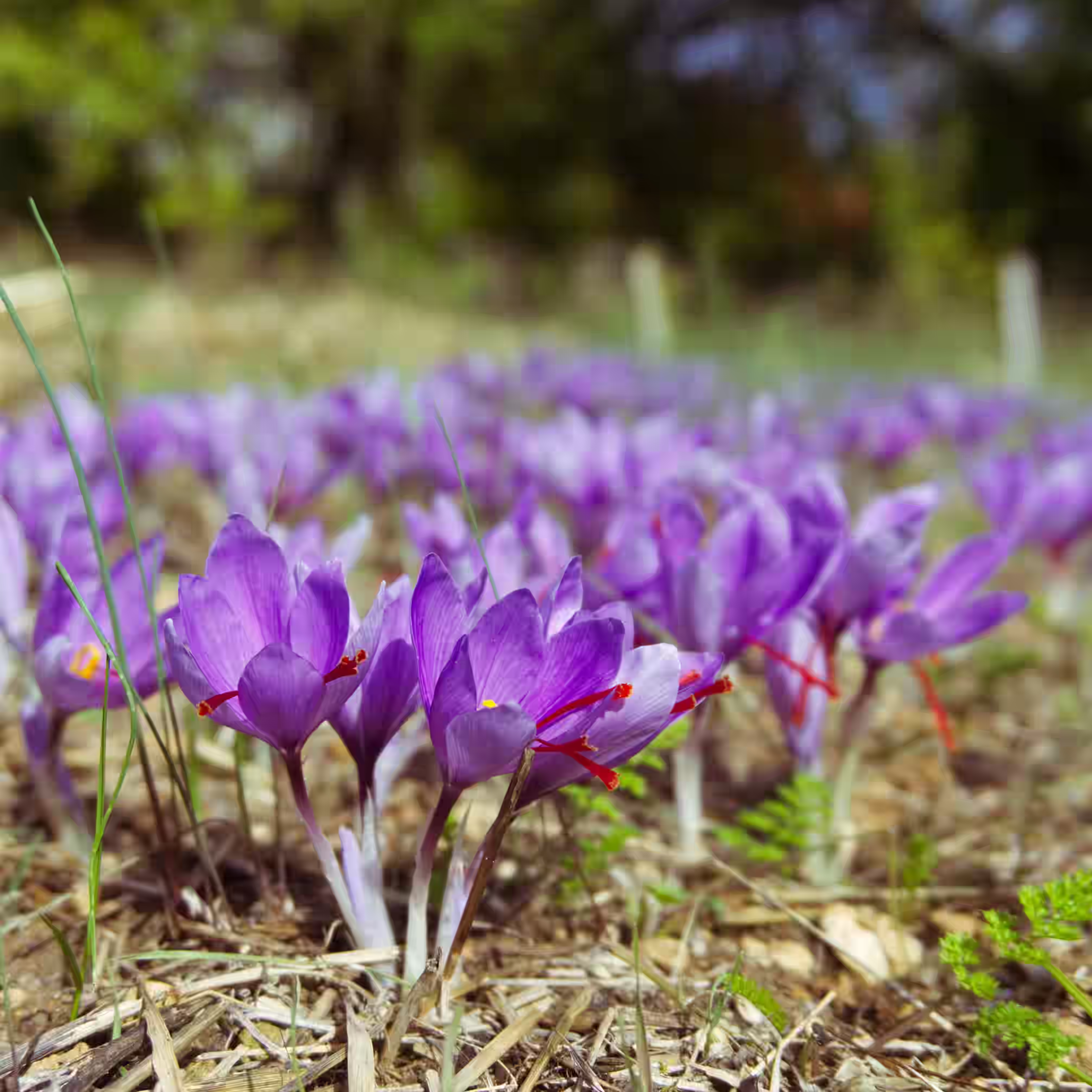
Saffron has been used for thousands of years and its story goes back to ancient times. It is believed
to have first grown in regions like Persia and parts of the Mediterranean. People valued saffron
early on for its color smell and taste. It was also used in traditional medicine and even in
rituals. Over time saffron spread through trade routes to other parts of the world. Because it was
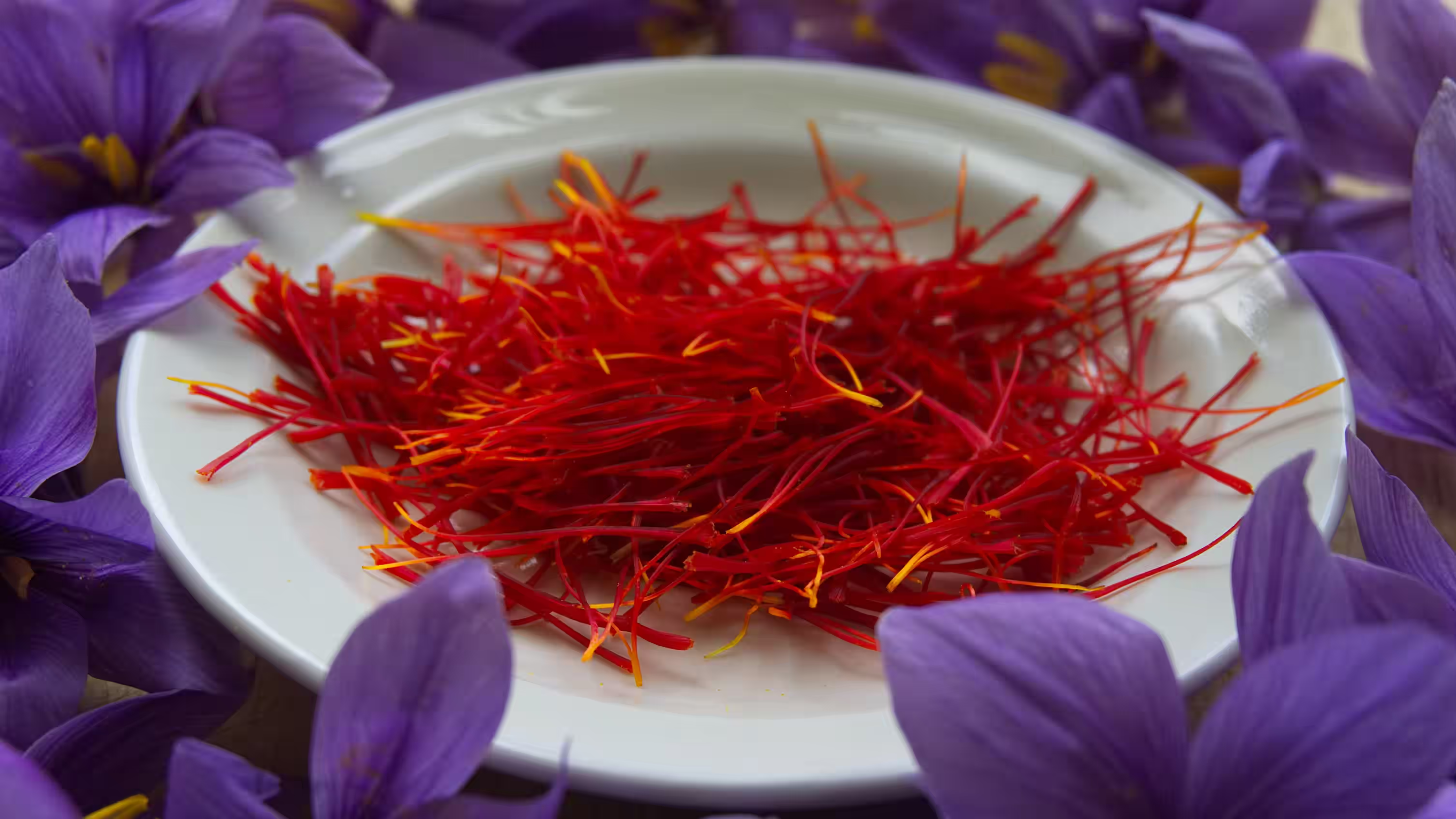
rare and hard to harvest it became a symbol of wealth and importance. Authentic saffron threads are
valued for their quality. Even today saffron is still
grown in small amounts using traditional methods passed down through generations. This careful
process is what makes saffron a hand harvested saffron and premium spice that requires time,
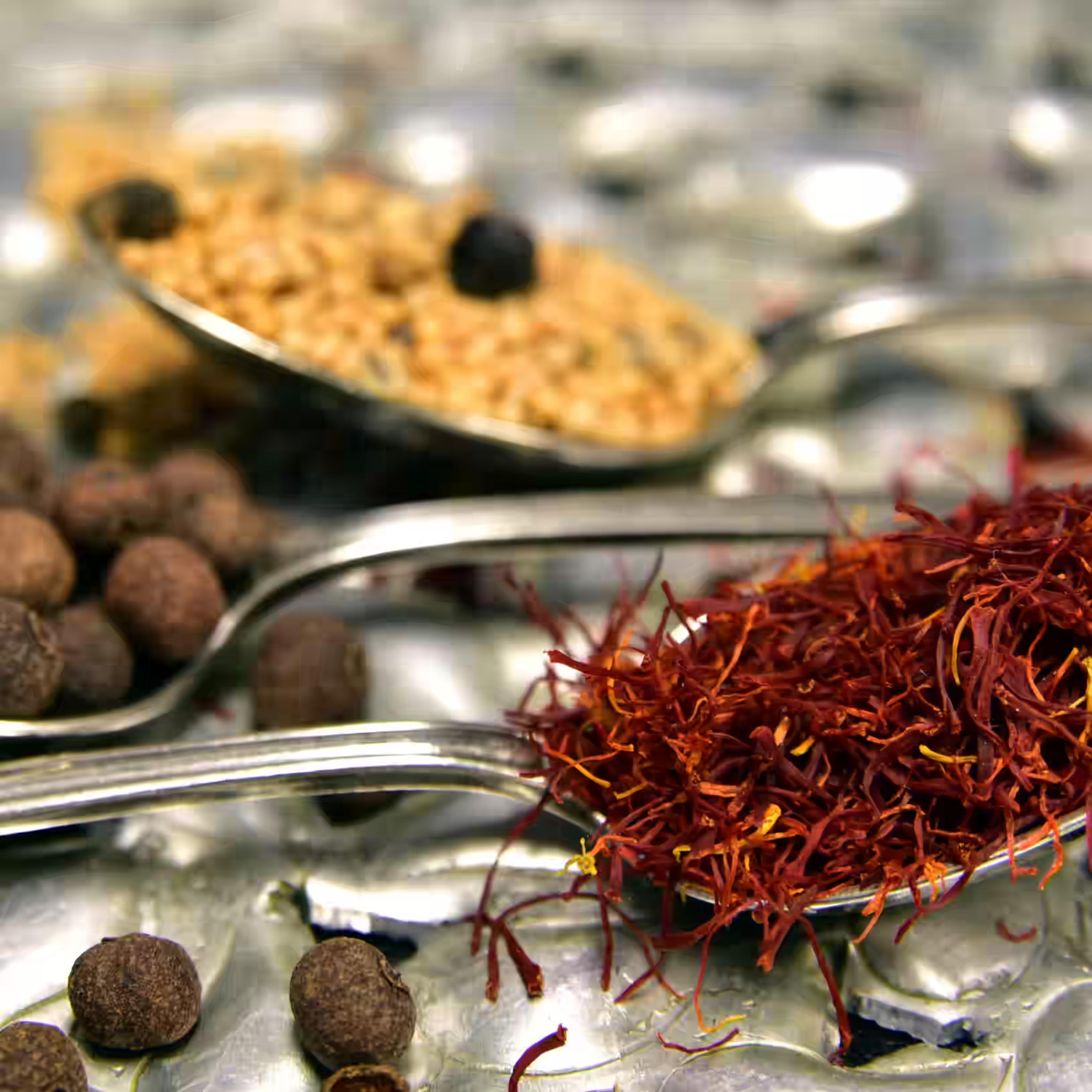
patience, and skill. Because of its strength, rarity, and labor-intensive process, saffron is widely
known as a premium spice.
Saffron and Its Traditional Health Uses
Saffron has been used for health reasons for a very long time. People have added it to food
and drinks for more than just taste. Many believe it helps with mood and helps people feel
calmer. I have noticed that meals with saffron feel lighter and more relaxing, especially on
long days. In some cultures, saffron is used to help with sleep and digestion. It also
contains antioxidants, which are known to support the body. Some people even use saffron in
warm milk or tea. Saffron is not medicine, but small amounts have been used naturally for
generations as part of daily life. These traditional uses are often discussed when people
talk about the everyday saffron benefits of saffron found in food and drink.
Bringing Color and Flavor to Food
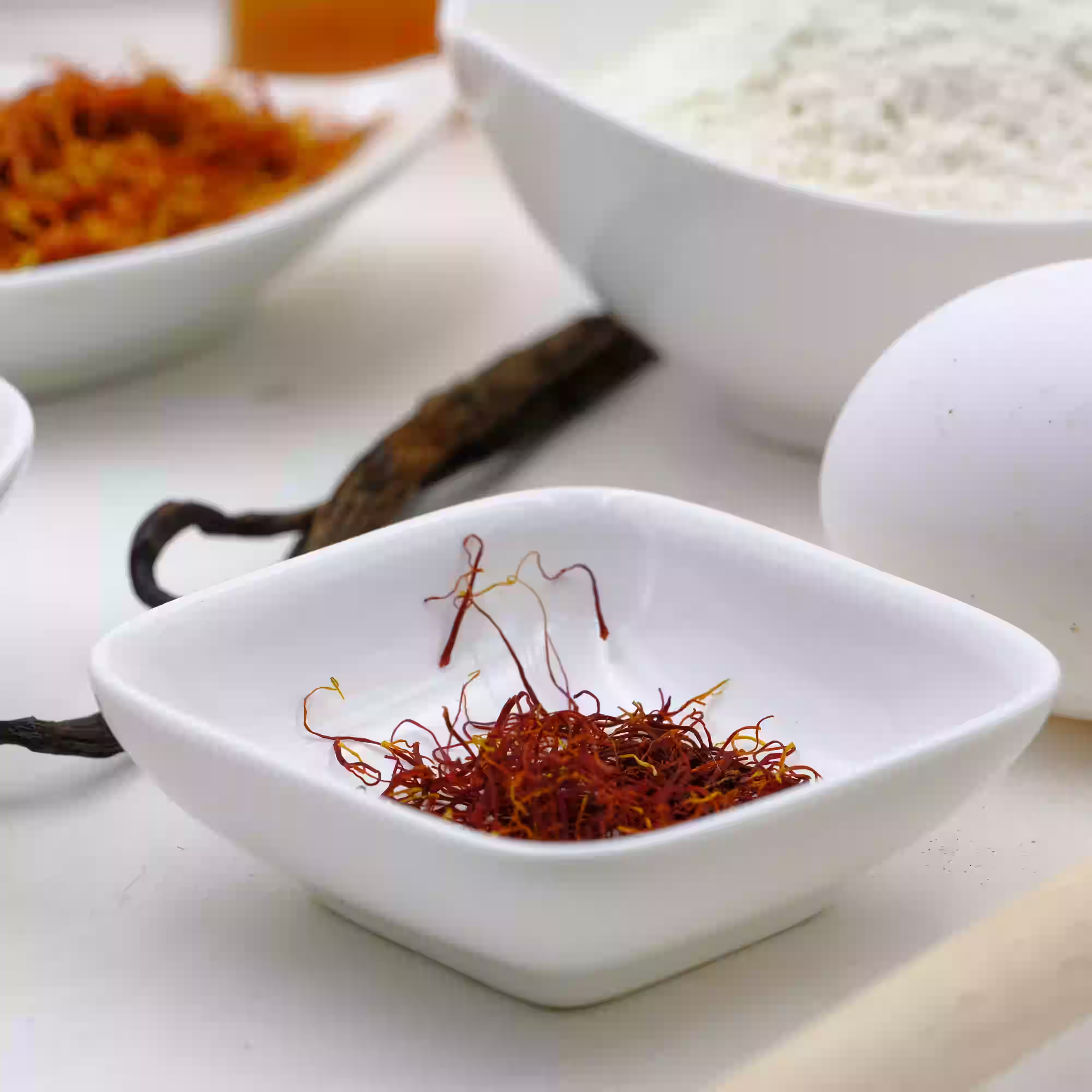
Saffron is mainly used in cooking to add color flavor and aroma to food. Even a small amount
can change the look of a dish. It is often used in rice dishes soups and sauces. Using pure
saffron ensures better color, aroma, and flavor even in small amounts. I usually
soak saffron threads in warm water or milk before cooking. This helps release the color and
smell. Saffron is used in many traditional recipes around the world. It works well in both
sweet and savory foods. Desserts drinks and baked items also use saffron. I like how it
makes simple meals feel special. Because saffron is strong only a few threads are needed.
This makes it easy to use without wasting it.
Spotting Authentic Saffron Threads
Real saffron can be hard to tell apart from fake saffron. Learning to recognize authentic saffron
threads and pure saffron threads helps avoid fake or dyed products. I learned this after seeing how
different it can look and behave. Authentic saffron threads are valued for their color, aroma, and
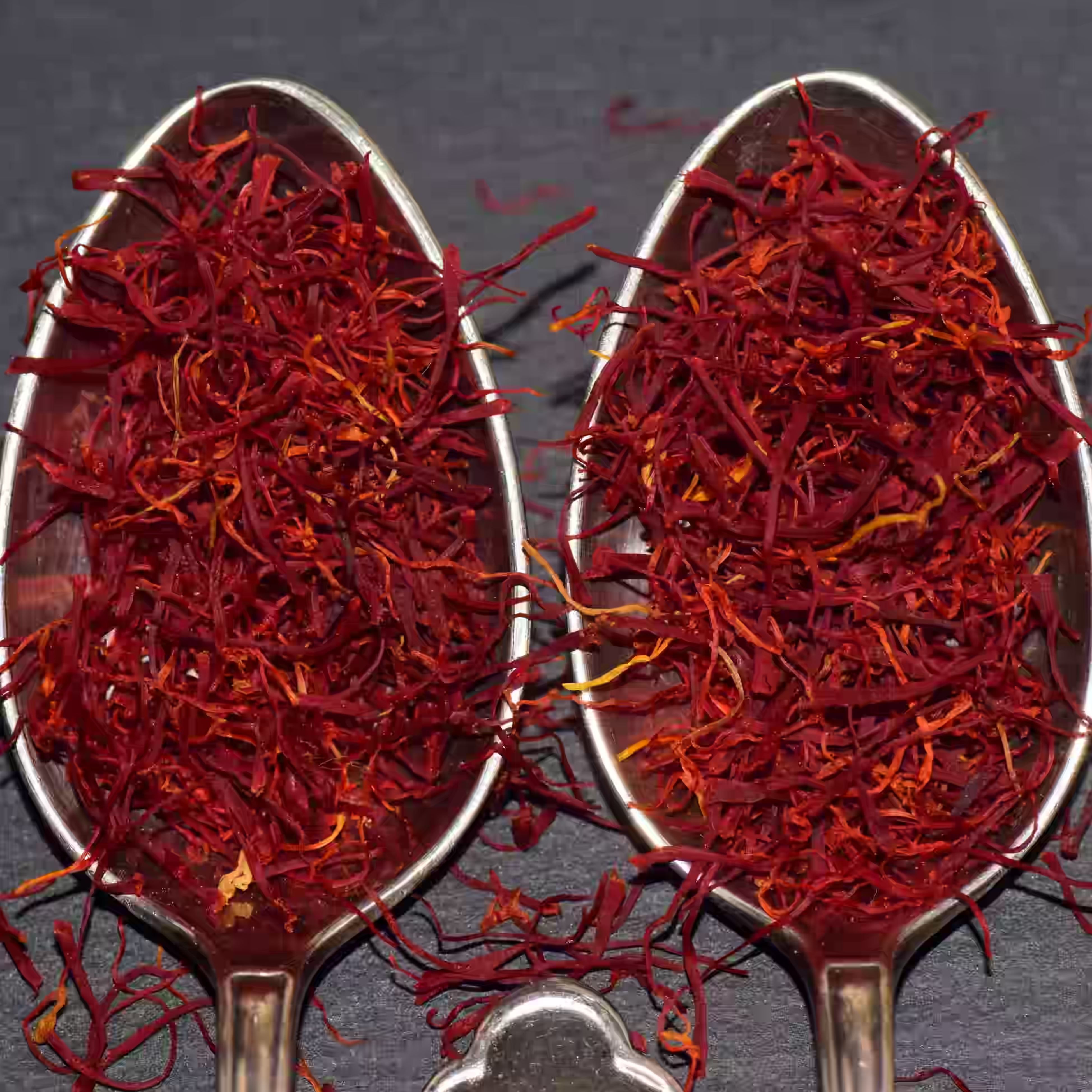
careful handling. Authentic saffron threads are thin and dry and usually dark red. They are not all
the same shape. Fake saffron often looks too bright or too perfect. When real saffron is put in warm
water the color comes out slowly and turns the water golden. Fake saffron releases color very fast.
Real saffron has a mild earthy smell. It should not smell sweet. It also does not dissolve in water.
Buying from trusted sellers helps avoid fake saffron. Learning how to identify authentic threads
helps people avoid fake or dyed saffron products.
Expanding the Spice Story
Not feeling saffron? Visit my friend’s website to discover another amazing spice. truenorthanise recently explored
this website and really enjoyed learning more about star anise. The section on
StarAniseUses explains how this unique spice adds a warm, sweet flavor to teas, curries, soups, and
even
desserts. It also highlights how it’s used in traditional remedies, which connects nicely to the
information about its health value. The part about StarAniseCultivation was interesting too,
especially
how the spice grows in star-shaped pods on evergreen trees in warm climates. Overall, the site gives
a
simple and friendly overview of StarAniseBenefits while making the topic easy to understand and fun
to
read.